Close window
PREMIUM
- Support Cudasteam
- No Ads
-
-
1-week Premium 200 Cuda Coins$4.99
-
1-month Premium 350 Cuda Coins$9.99
-
3-month Premium 500 Cuda Coins$6 / month 40% discount
-
12-month Premium 1000 Cuda Coins$4 / month 60% discount
Continue -

Compare
Nvidia GTX 1050 Ti 4GB 7Gbps 128-bit 75W Desktop Graphic card Radeon R9 380 2GB 6Gbps 256-bit 190W Desktop Graphic card
2/10
Score
2377

1.7/10
Score
1960

$
120
$
200
Share with friends
Copy link
GPU ArchitectureShading UnitsGPU ClockGPU Boost ClockMemory CapacityMemory TypeMemory SpeedMemory Bus WidthMemory BandwidthTexture Mapping Unit (TMU)Render Output Unit (ROP)Pixel Fill RateTexture Fill RateFloating Point Per SecondDirectXOpenGLMax GPU TempratureGraphics Card PowerRise of the Tomb RaiderShadow of the Tomb RaiderThe Witcher 3Metro ExodusBattlefield 1Far Cry 5Assassin's Creed UnityResident Evil 2
Visual view
Simple view
GPU Architecture
The smaller GPU, the better performance
16 nm
28 nm
Shading Units
The more Cores, the faster data are processed by the GPU
768
1792
GPU Clock
The higher the clock, the more instructions the GPU can execute per second
28% higher
1354 MHz
970 MHz
GPU Boost Clock
The Boost clock helps GPU to get more performance
33% higher
1455 MHz
970 MHz
Memory Capacity
The VRAM capacity is used most for Anti Aliasing, Textures and Screen resolution
4 GB
2 GB
Memory Type
GDDR5
GDDR5
Memory Speed
The faster Memory, the faster Read/Write operations of the data
14% higher
7 Gbps
6 Gbps
Memory Bus Width
The Wider Memory Bus, the more data can flow without waiting
128 bit
256 bit
Memory Bandwidth
The more bandwidth, the faster data transfers between GPU and VRAM
112 GB/s
36% higher
176 GB/s
Texture Mapping Unit (TMU)
The more Texture Mapping Units, the faster Texture Fill Rate
48
112
Render Output Unit (ROP)
The more Rander Output Units, the faster Pixel Fill Rate
32
32
Pixel Fill Rate
Indicates how many Pixels GPU can draw per second
34% higher
47 GP/s
31 GP/s
Texture Fill Rate
Indicates how many Textures can be mapped per second
70 GT/s
36% higher
109 GT/s
Floating Point Per Second
The more Floating Point Operations per second the better performance of the GPU
2 Flop/s
4 Flop/s
DirectX
12
12
OpenGL
5
5
Max GPU Temprature
The maximum GPU temprature allowed by manufacturer
201 °F
194 °F
Graphics Card Power
Typical power consumption of the graphic card board
61% lower
75 Watts
190 Watts
Rise of the Tomb Raider
Settings Max, 1440p
27% higher
37 fps
27 fps
Shadow of the Tomb Raider
Settings Max, 1440p
3% higher
34 fps
33 fps
The Witcher 3
Settings Max, 1440p
17% higher
36 fps
30 fps
Metro Exodus
Settings Max, 1440p
17% higher
35 fps
29 fps
Battlefield 1
Settings Max, 1440p
19% higher
37 fps
30 fps
Far Cry 5
Settings Max, 1440p
19% higher
36 fps
29 fps
Assassin's Creed Unity
Settings Max, 1440p
13% higher
30 fps
26 fps
Resident Evil 2
Settings Max, 1440p
9% higher
32 fps
29 fps
Recommended
2/10
Score
2377
Add to Favorite
Nvidia GTX 1050 Ti 4GB 7Gbps 128-bit 75W Desktop Graphic card
PROS 15
| GPU Architecture | 16 nm vs 28 nm | GPU architecture size is (12nm) 43% smaller |
|---|---|---|
| GPU Clock | 1354 MHz vs 970 MHz | Clock speed is (384MHz) 28% higher |
| GPU Boost Clock | 1455 MHz vs 970 MHz | Boost clock speed is (485MHz) 33% higher |
| Memory Capacity | 4 GB vs 2 GB | (2GB) 50% more VRAM Capacity |
| Memory Speed | 7 Gbps vs 6 Gbps | Transfer speed of the memory is (1Gbps) 14% faster |
| Pixel Fill Rate | 47 GP/s vs 31 GP/s | Pixel Fill Rate is (16GP/s) 34% faster |
| Graphics Card Power | 75 Watts vs 190 Watts | Power consumption is (115Watts) 61% lower |
| Rise of the Tomb Raider | 37 fps vs 27 fps | Rise of the Tomb Raider - 1440p: (10fps) 27% more frames per second |
| Shadow of the Tomb Raider | 34 fps vs 33 fps | Shadow of the Tomb Raider - 1440p: (1fps) 3% more frames per second |
| The Witcher 3 | 36 fps vs 30 fps | The Witcher 3 - 1440p: (6fps) 17% more frames per second |
| Metro Exodus | 35 fps vs 29 fps | Metro Exodus - 1440p: (6fps) 17% more frames per second |
| Battlefield 1 | 37 fps vs 30 fps | Battlefield 1 - 1440p: (7fps) 19% more frames per second |
| Far Cry 5 | 36 fps vs 29 fps | Far Cry 5 - 1440p: (7fps) 19% more frames per second |
| Assassin's Creed Unity | 30 fps vs 26 fps | Assassin's Creed Unity - 1440p: (4fps) 13% more frames per second |
| Resident Evil 2 | 32 fps vs 29 fps | Resident Evil 2 - 1440p: (3fps) 9% more frames per second |
CONS 5
| Shading Units | 768 vs 1792 | (1024) 57% less Shader Processing Units |
|---|---|---|
| Memory Bandwidth | 112 GB/s vs 176 GB/s | Memory bandwidth is (64GB/s) 36% slower |
| Texture Mapping Unit (TMU) | 48 vs 112 | (64) 57% less Texture Mapping Units |
| Texture Fill Rate | 70 GT/s vs 109 GT/s | Texel Fill Rate is (39GT/s) 36% slower |
| Floating Point Per Second | 2 Flop/s vs 4 Flop/s | (2Flop/s) 50% less Floating Point Operations per minute |
2nd Choice
1.7/10
Score
1960
Add to Favorite
Radeon R9 380 2GB 6Gbps 256-bit 190W Desktop Graphic card
You might also like
Scroll/Slide to the left or to the right side
-
 2.9/10Score 3351
Nvidia GTX Titan X 12GB 7Gbps 384-bit 250W Desktop Graphic card
$440Where to buy? -
2.9/10Score 3328
Nvidia MSI Armor 1060 6GB 8Gbps 192-bit 120W Desktop Graphic card
$260Where to buy? -

-
 2.8/10Score 3304
Nvidia EVGA GTX 980 Ti 6GB 7Gbps 384-bit 250W Desktop Graphic card
$380Where to buy? -
2.8/10Score 3250
Nvidia GTX 1060 6GB 6GB 8Gbps 192-bit 120W Desktop Graphic card
$230Where to buy? -
-
2.8/10Score 3250
Nvidia Palit Dual 1060 6GB 8Gbps 192-bit 120W Desktop Graphic card
$260Where to buy? -
-

-
More comparisons
Nvidia GTX 1050 Ti
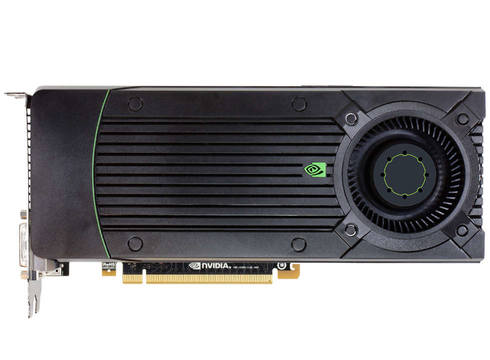
Nvidia GTX 770
vs
Nvidia GTX 1050 Ti
Nvidia EVGA GTX 1080
vs
Nvidia GTX 1050 Ti
AMD RX 5500
vs
Nvidia GTX 1050 Ti
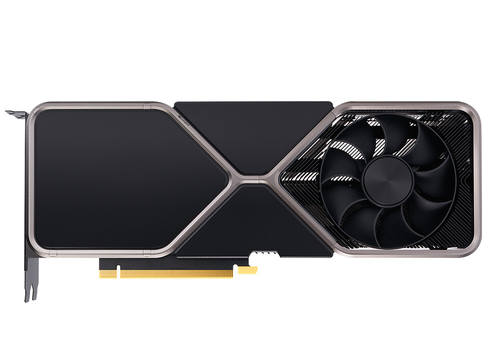
Nvidia RTX 3080
vs
Nvidia GTX 1050 Ti
Nvidia Dual 1070
vs
Nvidia GTX 1050 Ti
Nvidia GTX TITAN X

vs
Nvidia GTX 1050 Ti
Nvidia RTX 2080 SUPER

vs
Nvidia GTX 1050 Ti
Nvidia GTX 960
vs
Nvidia GTX 1050 Ti
Nvidia EVGA GTX 1080
vs
Nvidia GTX 1050 Ti
Nvidia GTX 1050
vs